
Unable to renew work permits: the new reality for Quebec SMEs
A few days ago, La Presse reported that the only Tim Hortons in the Magdalen Islands would be closing its doors due to a lack of staff.
This is the kind of news we may see more often since the federal government tightened its immigration policies. Since fall 2024, the government has limited the share of low-wage temporary foreign workers in a business to 10%. The previous thresholds were 20% or 30%.
This new reality doesn’t only affect businesses in remote regions. It also affects many SMEs across Quebec, particularly in the manufacturing sector.
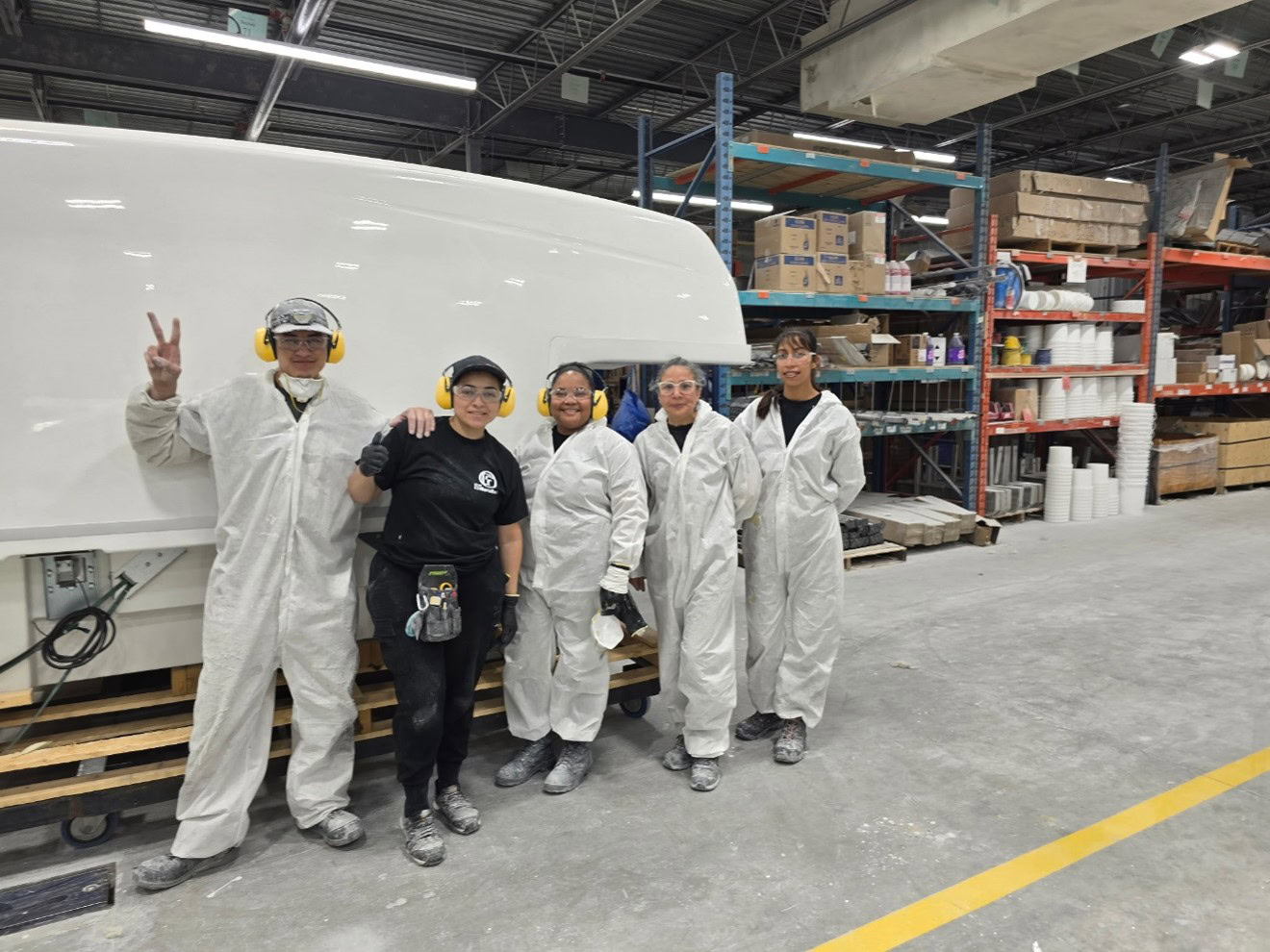
At Fibrobec, the consequences are very real.
By the end of 2026, the company could lose seven employees because their work permits cannot be renewed. These workers have been with the company for three to five years. They know the products, the processes and the work methods. They are autonomous, productive and fully integrated into their teams.
Seven employees in a team of about 80 people.
How do you keep operations running when essential positions such as labourers, assemblers and laminators constantly need to be filled?
A new employee to onboard every week
Every time a work permit expires and cannot be renewed, Fibrobec has to start the hiring process over again to fill the position.
Job posting, candidate search, interviews, hiring, onboarding, training…
And the cycle starts again.
A worker who already knows the company and has three to five years of experience has to leave, only to be replaced by a new worker who will also need to be trained and integrated.
And in a few years, if that person’s permit cannot be renewed either, the same scenario is likely to repeat itself.
It’s a wheel that never stops turning.
For a manufacturing SME, this turnover is much more than an administrative challenge. It takes management time, draws on existing employees and leads to significant recruiting and training costs.
Above all, it can have a direct impact on productivity.
Completely rethinking onboarding
Faced with this reality, Fibrobec had to rethink the way it works.
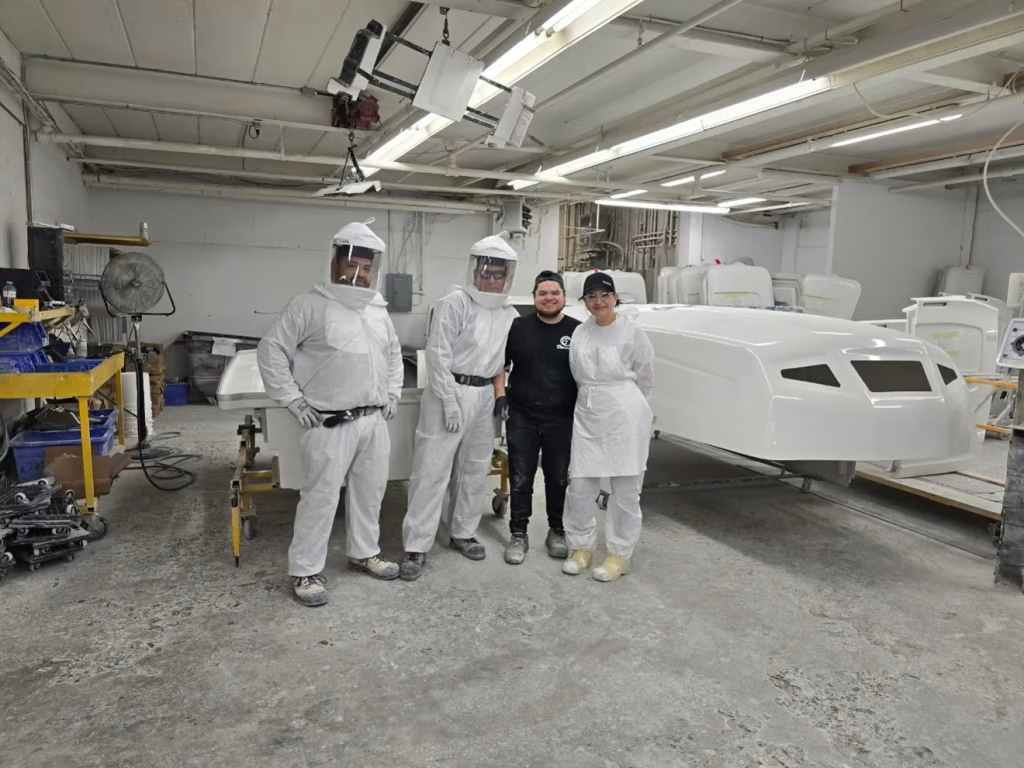
Among other things, the company developed a digital platform with training videos so new employees can learn what they need for their job faster and become autonomous.
But the change doesn’t stop at technology. The company also had to rethink its onboarding culture.
How can current employees take an active part in training new hires without slowing down operations?
Fibrobec therefore introduced a bonus program to encourage experienced employees to help onboard and train their new colleagues.
The goal is simple: reduce the time it takes for a new employee to become autonomous, while limiting the impact on production.
Adapt or endure
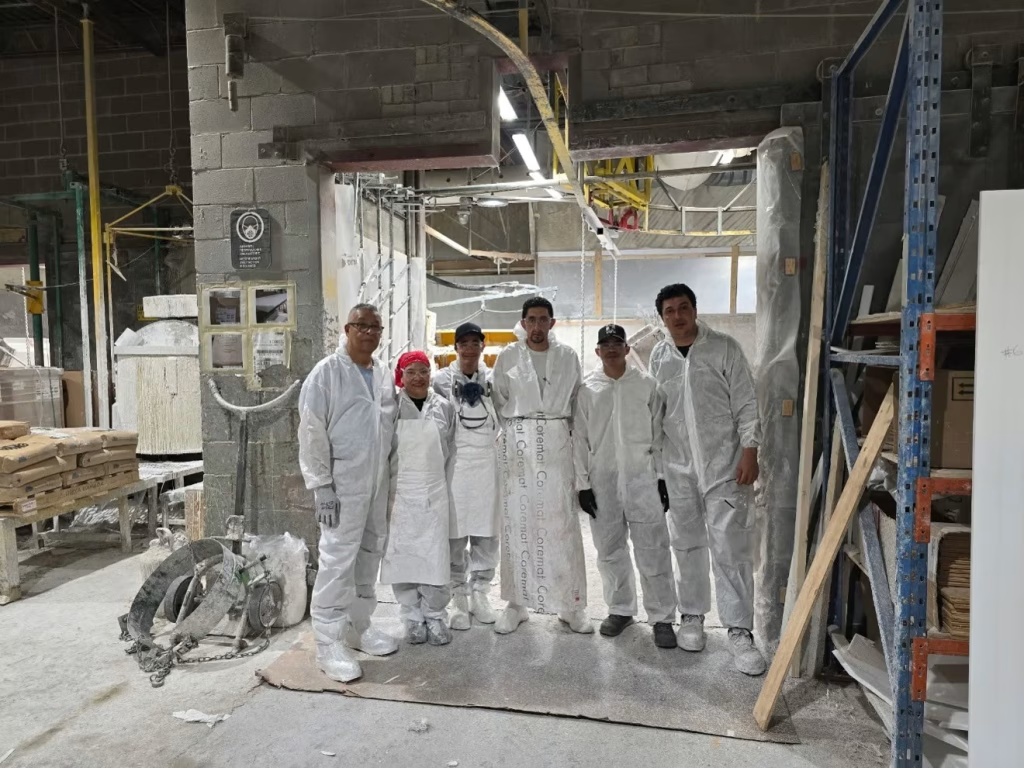
Fibrobec has no choice but to adapt.
Like many Quebec SMEs, the company has to deal with a reality it has little control over. But it can choose how to respond.
The question now is how far businesses will have to go to make up for a system that forces them to replace experienced employees with new workers, when those employees could keep contributing to their growth.
For Fibrobec, the challenge isn’t just finding workers. It’s preserving its know-how, its productivity and the stability of its teams.
And at a time when every employee counts, the real challenge may be less about recruiting and more about keeping the people who are already trained, integrated and productive.
Find all our articles in our Foreign Workers at Fibrobec hub.
